The question comes first
Two Republics examines where bilateral cooperation and trade can create measurable benefits for people and businesses in both countries. Each post begins with a question and works toward an answer through evidence, comparisons, and clearly stated assumptions.
The publication supports stronger ties. Individual analyses can still conclude that a proposal is ineffective, unnecessary, too costly, or unsupported by the evidence.
How the articles work
An analysis states its answer early, then sets out the baseline, comparisons, methods, findings, and limits. A hypothesis is included when it helps frame a testable proposition.
Sources, units, dates, and denominators accompany quantitative claims. Estimates and projections are labeled. Methods and data are made available when appropriate. Corrections and substantive updates are identified on the article.
About Anirudh (LinkedIn, opens a new tab)
I’m Anirudh, a management consultant with an MBA from Columbia Business School and an independent advocate for stronger U.S.–India ties.
I approach these questions with a consultant’s interest in practical decisions: what works, what it costs, who benefits, and what the alternatives are. Where the evidence is incomplete or points away from a proposed partnership, the analysis should say so.
I write in a personal capacity, and the views expressed here are my own. I am not registered under the Foreign Agents Registration Act (FARA).
View my LinkedIn profile (LinkedIn, opens a new tab)
Visual identity
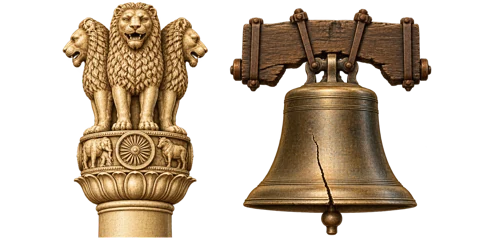
The Ashokan pillar and Liberty Bell motifs evoke India’s civilizational depth and America’s founding history. They are original conceptual illustrations.